Synthetic leather for bags: a sourcing guide
Compare grain, colour, backing and construction for a bag project, then evaluate numbered material samples before production.
Start with the bag you are developing
A soft shoulder bag and a structured tote can call for different material constructions. Tell us the intended silhouette, desired handfeel, reinforcement, lining and manufacturing process. Grain alone cannot establish softness, strength or suitability for an outdoor product. Application fit must be evaluated for the exact material and finished construction.
Compare real grain and colour references
Use the materials library to compare nappa, pebbled, smooth, woven and other published grain directions. Record the series reference and colour number together: a photograph or a generic colour name is not a production specification. Electronic colour cards help narrow the selection, while lighting and screen settings can change how the surface appears.
Check construction and tests for your project
Ask for the composition, backing, thickness and usable width of the selected reference. Agree appropriate acceptance criteria with your product team; depending on use, this may include rubbing colourfastness, abrasion, flexing, adhesion or hydrolysis assessment. A test result belongs to the identified sample and test method, and must not be assumed to cover every grain or colour.
Move from a shortlist to physical samples
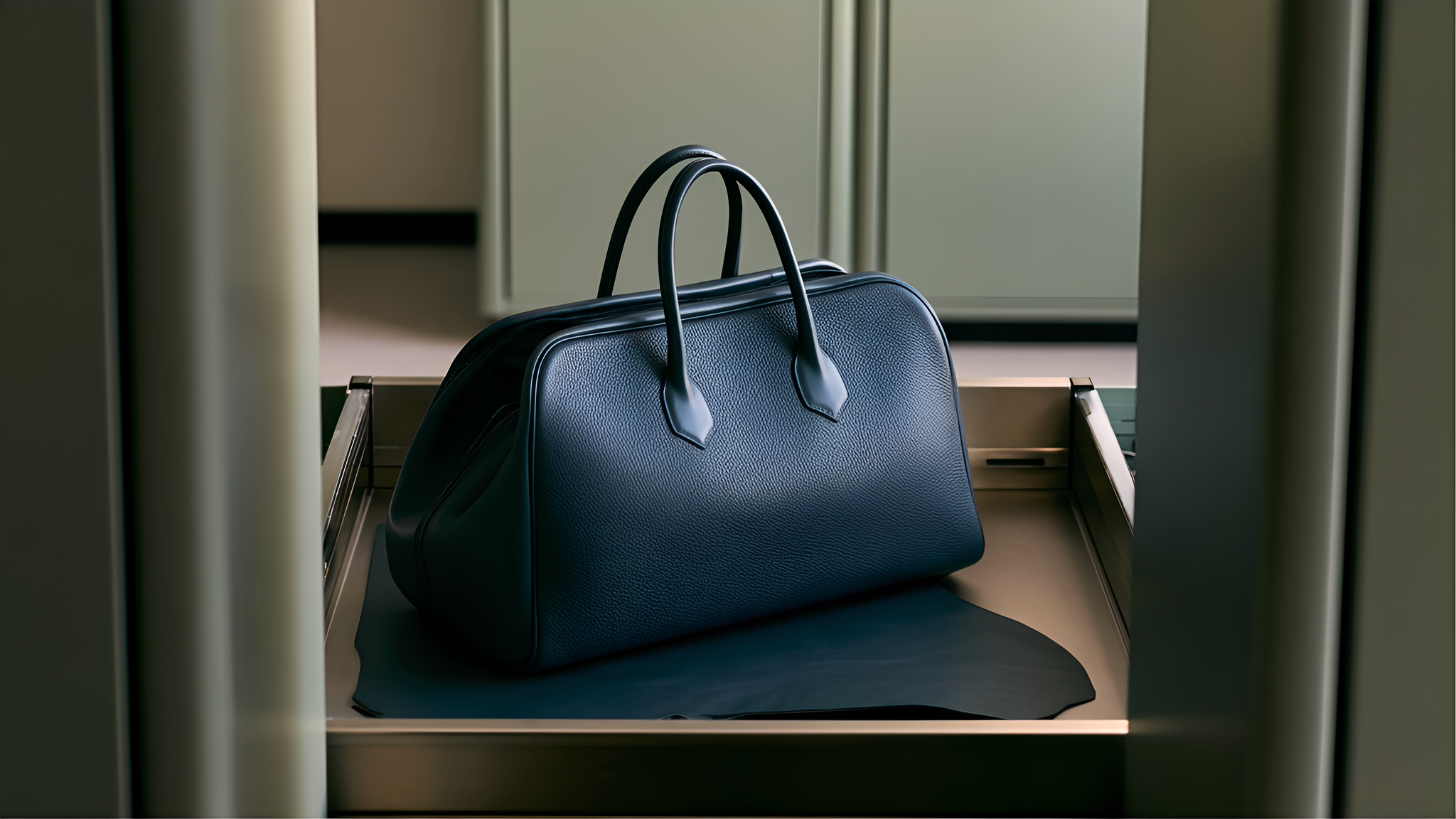
Send the series and colour references, intended application, target quantity and delivery region with your sample enquiry. Compare shortlisted materials on the actual pattern, seams and reinforced areas. Our team confirms sample availability, specifications, charges and timing for the request. SHANGJIAN supplies material selection support; the preview bag photographs are application illustrations.
Surface directions are visual references. Confirm construction, performance and colour with a physical sample and matching documentation.